News and headline monitoring
Compare the most repeated people, places, events, and issues across a selected group of headlines.
Explore recurring language in headlines, search terms, social posts, and live comments with a trend word cloud designed for rapid topic discovery.
Trend discovery from headlines, social posts, live comments, and search terms.
Gather text from a clearly defined period and source before generating the visualization. Mixing unrelated channels or months can hide meaningful changes, so analyze comparable headlines, search terms, comments, or posts together. Normalize spelling, combine singular and plural forms, and remove platform boilerplate that would otherwise dominate the result.
Treat the word cloud as an exploratory view, not a replacement for frequency tables or sentiment analysis. Large terms reveal what appears often, but they do not explain context or whether a mention is positive. Use the cloud to identify candidate topics, then return to the underlying text to verify why those terms are growing.
Compare the most repeated people, places, events, and issues across a selected group of headlines.
Visualize related queries or internal site searches to identify emerging interests and gaps in existing content.
Summarize audience comments, questions, or chat messages during a conference, stream, or community session.
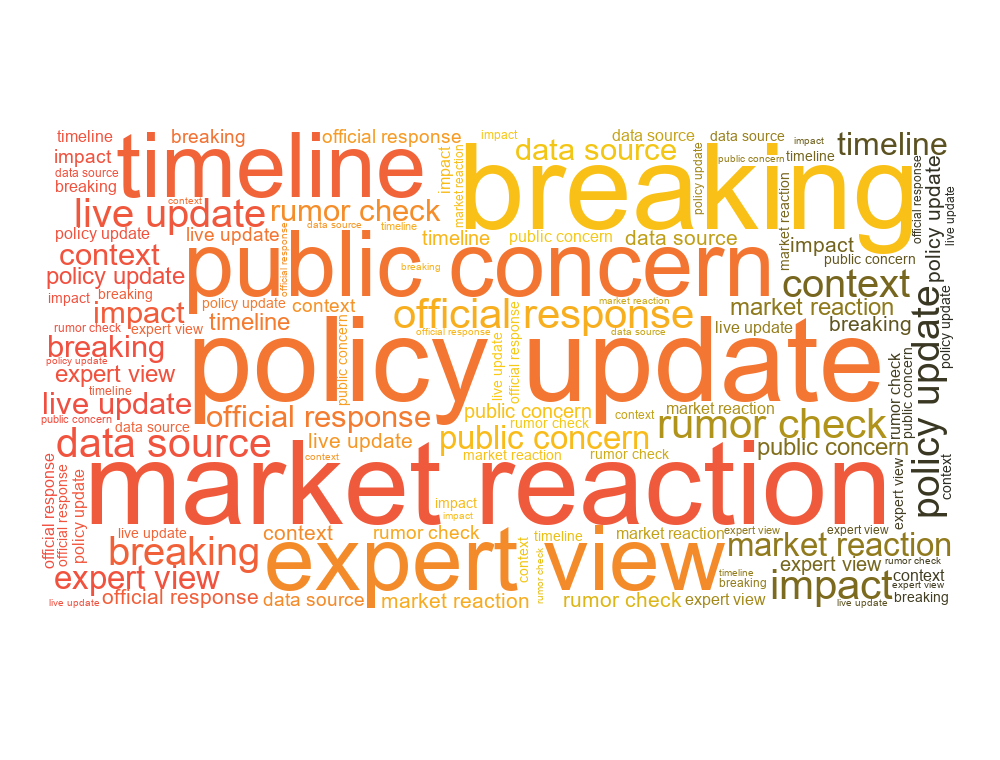
Fast clustering terms from headlines and user comments.
Hashtag and short-comment signals for a trend screen.
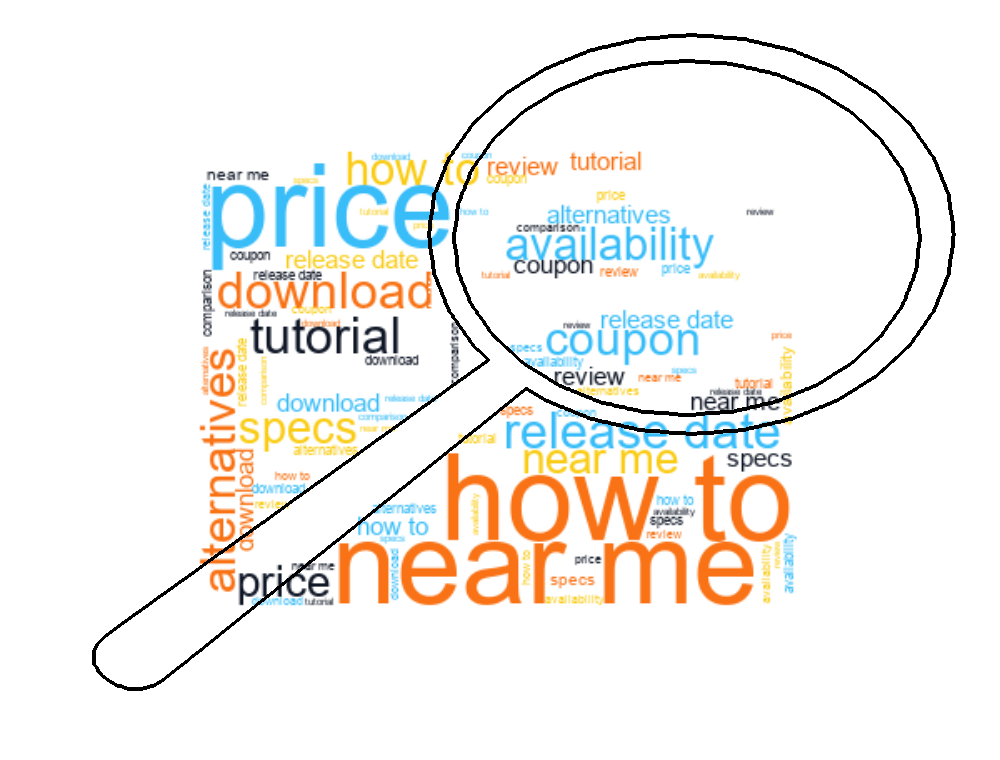
Search queries grouped by user intent.
It can reveal frequently repeated terms within a defined dataset. To confirm a trend, compare multiple time periods and inspect the original text behind the changing terms.
Yes. Remove stop words, source labels, URLs, repeated boilerplate, and irrelevant platform terms so they do not hide the subject-specific language.
No. Word size normally represents frequency or an assigned weight. Sentiment requires separate context or scoring and should not be inferred from size alone.